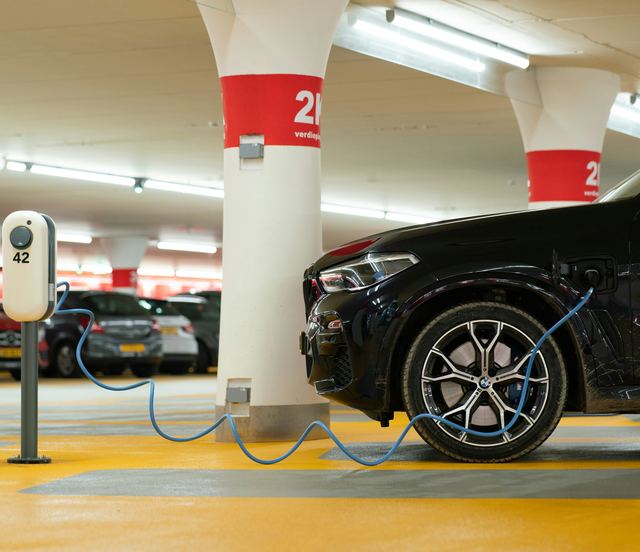
Living with an electric car in an apartment or condo
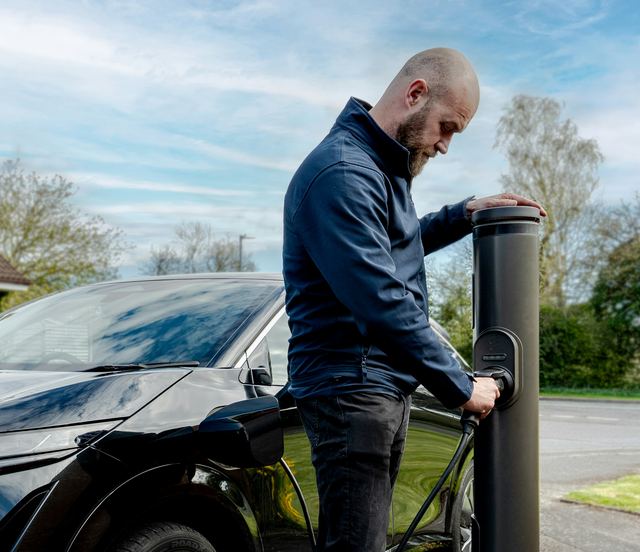
How an electric car works when you share a building, from asking about outlets in the garage to charging somewhere other than home.
- Reading time5 min
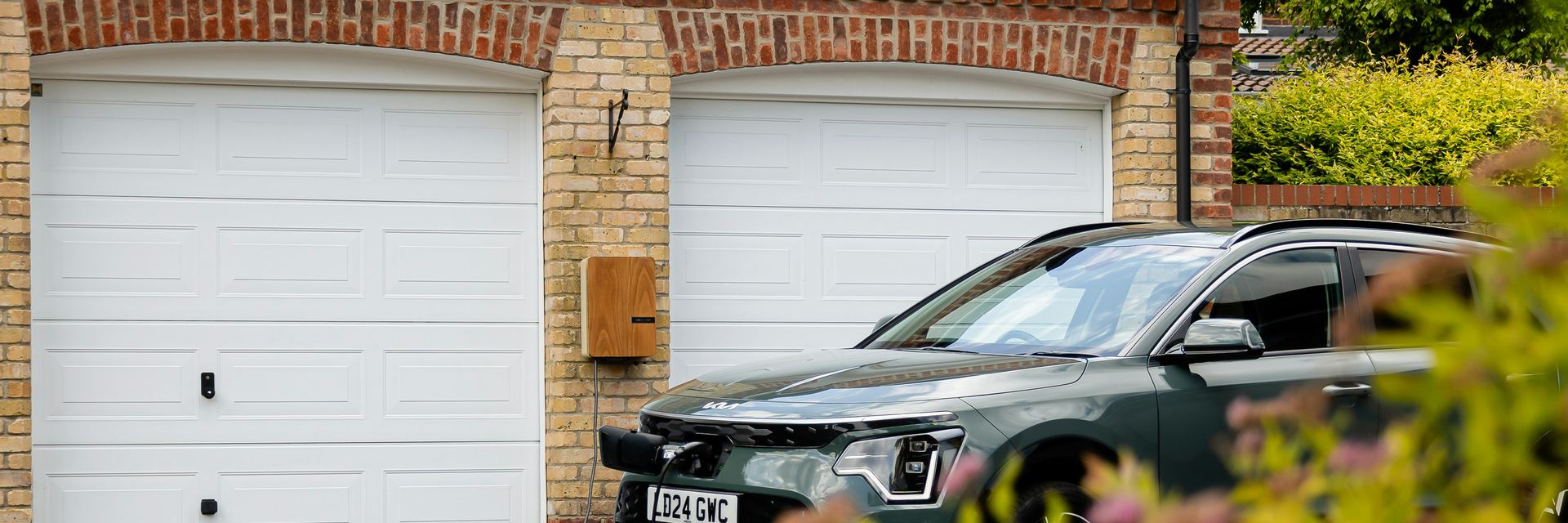
Section
Your situation
An electric car suits some weeks with no effort and asks more of others. The articles here start from your own routine, where you park, the distances you cover and what the weather does, and work out what an electric car would be like inside it.
Headline figures say little about whether an electric car will feel easy for you. The questions that decide it are closer to home: is there an outlet near the spot where the car spends the night, how long is the drive you repeat most days, and how hard do your summers and winters get. Answer those first and the rest becomes much clearer.
Each article below takes one kind of life and walks through it plainly. It says what tends to go smoothly, what tends to be awkward, what to ask a landlord, an electrician or a seller before you commit, and the habits owners settle into once the car is theirs. Some situations are simply harder, and the articles say so without talking anyone into or out of anything.
The guides
How an electric car works when you share a building, from asking about outlets in the garage to charging somewhere other than home.
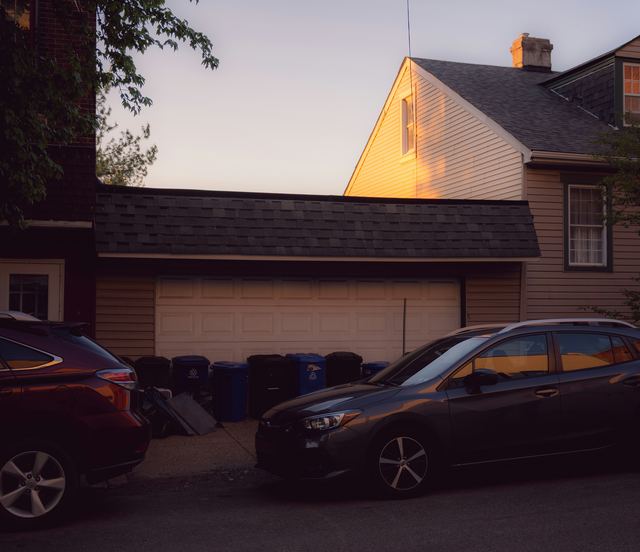
What an electric car is like without a driveway or garage, and how to build charging into the places you already go each week.
How to judge whether an electric car covers your daily drive with room to spare, and what changes the picture from day to day.
Home charging, gaps between public chargers, hills and gravel, and how to keep a margin when the next town is a long way off.
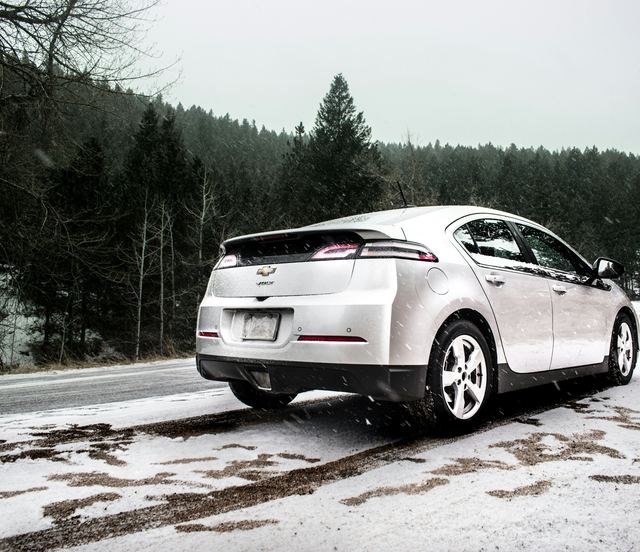
How freezing weather affects range and charging, why a garage and a plug matter more in winter, and how to handle snow and ice.
Where heat shows up in an electric car, why shade and staying plugged in help, and how to charge comfortably when it is scorching.
Car seats and cargo, a quiet car in a busy driveway, charging around a family routine, and trips with children along for the ride.
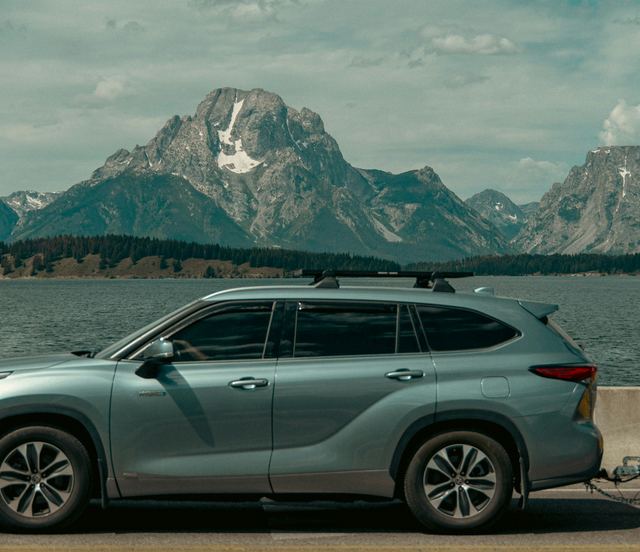
Towing limits, what a trailer does to range, charging with something hitched behind, and when an electric car is the harder choice.
Giving each car the drives it suits, fitting a charger into a shared garage, and the different habits each car needs.
Questions
The fit check turns six answers about your week into a short reading list.
Take the fit checkNo, but charging where the car sleeps makes daily life much simpler. Without it you charge the way you might shop for groceries, at places you already visit during the week. The articles on apartment living and street parking walk through how that works in practice.
Start with your own driving rather than the car. Note the distances you actually cover on ordinary days and on your longest regular trips, then compare them with the range the car shows in your worst weather. Keep a comfortable margin on top for detours and surprises.
Electric cars are driven through hard winters and long hot summers every day. Weather shortens the range estimate and changes how charging behaves, so the habits matter more there. The climate articles cover what to set up before your first season with one.
Some can and some cannot, and the limits differ from car to car. The owner's manual says whether the car is rated for towing and what it can pull. Towing also uses far more energy than ordinary driving, which the towing article explains in plain terms.
No. The site explains how electric cars fit different lives and what to check, and it stops there. It sells nothing, lists nothing and recommends no car, charger or business, and you contact a dealer, an electrician or a carmaker yourself.