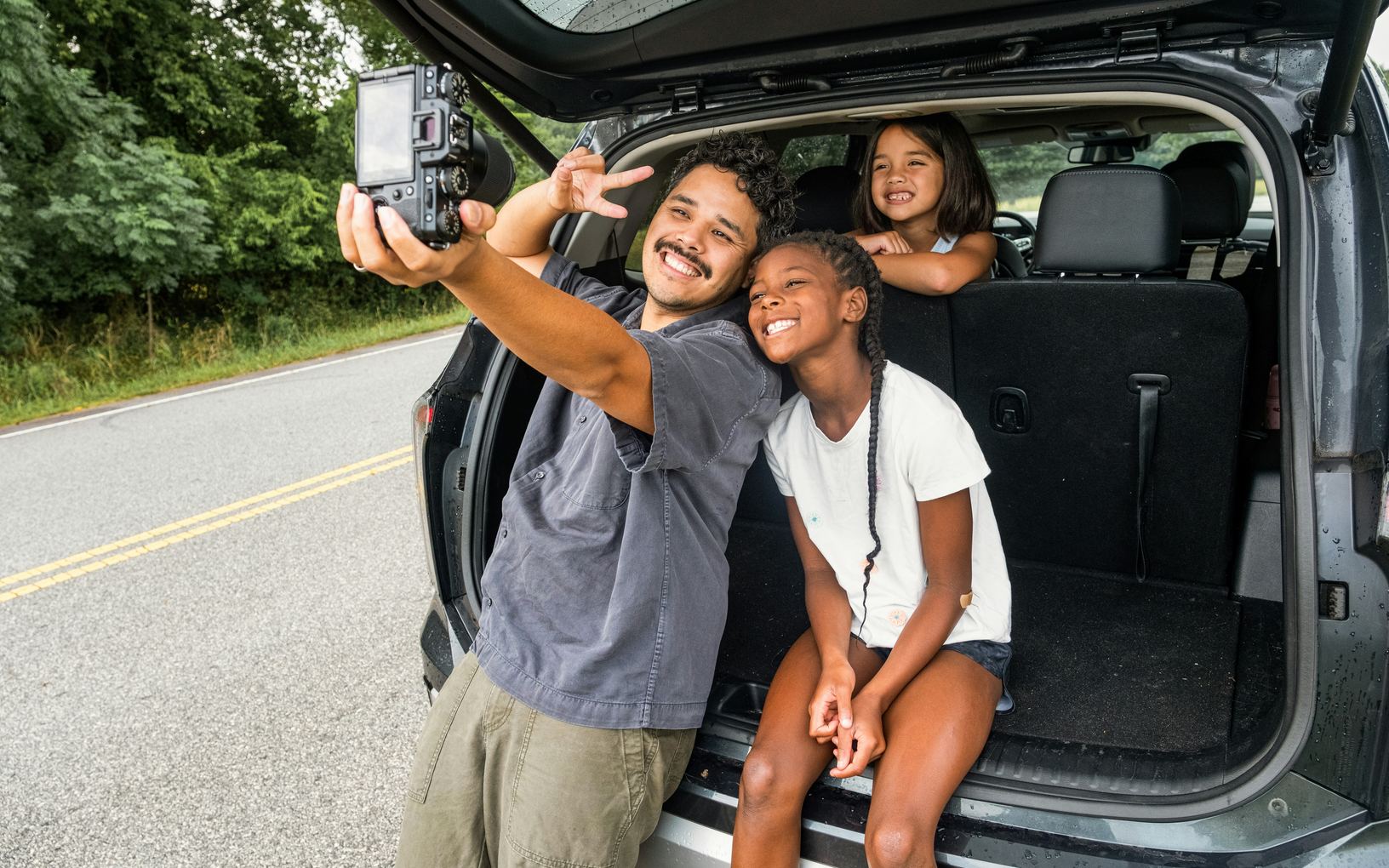
For a family, an electric car has to handle car seats, school runs, sports gear and the occasional long drive with restless passengers. Most of that comes down to the same checks you would make on any family car. A few things are different, and they are worth knowing before you commit.
Car seats, cargo and the back row
Bring every car seat you own and install it before you buy, in the positions you would actually use. Check the anchor points the owner's manual describes and whether the seats sit next to each other without covering a buckle. A flat floor in the back row, which many electric cars have, can make the middle seat more usable.
Look at the trunk with a stroller, a sports bag and the weekly shop in mind. Some electric cars have a small front trunk under the hood as well, which suits muddy boots or a charging cable. Fold the seats yourself during a test drive and see how quickly it goes with a child on your hip.
- Fit every car seat you own, in its real position
- Check the anchor points the owner's manual names
- Try the stroller and a full shop in the trunk
- Fold the rear seats yourself and see how easy it is
A quiet car around children
Electric cars are very quiet at walking pace, and many play a low warning sound to alert people nearby. Small children in a driveway or a parking lot may still not notice the car. Walk around the car before you get in, especially at home, and check that every child is accounted for before you move.
Cameras and parking sensors help, but they do not replace looking. Use the mirrors and turn your head as well. Teach children that a quiet car can still be a moving car, and keep driveway play well away from where the cars come and go.
Charging around a family routine
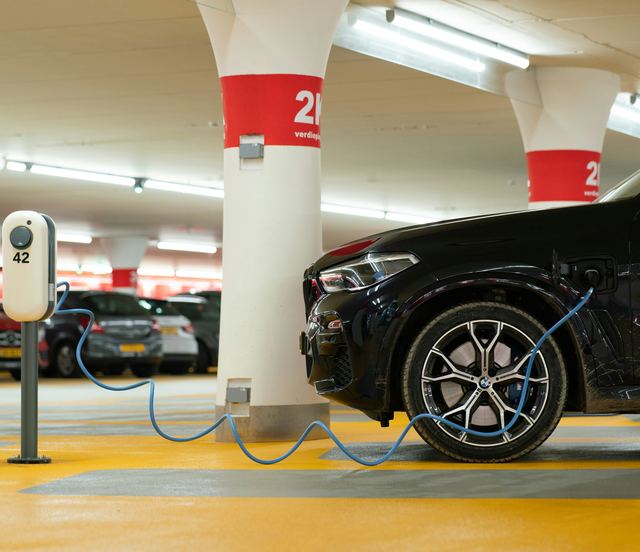
Plugging in every evening when you get home fits a family schedule well, since the car is ready for the morning rush without a stop on the way. Mount the charger or route the cable where children are not playing, and hang the cable on its hook when it is not in use, so nobody trips or plays with the connector.
Teach older children not to touch the charge port or the connector while the car is charging. Keep the cable off the driveway where a bike or a scooter could run over it. If the cable or connector is ever damaged, put it aside and take it up with the carmaker's service department.
- Plug in every evening as part of coming home
- Hang the cable on its hook between uses
- Keep the charger away from where children play
- Stop using a damaged cable and contact the carmaker
Long drives with children
Charging stops and family breaks tend to line up well, because children need to stop about as often as the car needs a top-up. Pick charging stations near restrooms, food and somewhere to stretch, and check them ahead in a charging network's app. The article on planning an EV road trip covers route planning in detail.
Pack snacks, a change of clothes and something to do for the time the car is charging. Set the cabin temperature and any rear-seat screens before you leave the station. Set up navigation and any music before moving, and leave the phone alone while you drive.
Settings that help families
Look for the child locks on the rear doors and the window lock switch, and learn where the car keeps them in the touchscreen. Some cars hold the cabin temperature while parked, which is handy, but it never makes it safe to leave a child alone inside. Driver profiles let each grown-up keep their own seat and mirror positions.
What to take away
- Fit every car seat you own before you buy
- Walk around the car before moving; it is very quiet
- Keep the cable and charger away from where children play
- Line up charging stops with family breaks on long drives
How it fits
- Easier when
- Charging at home every evening means the car is ready for the morning rush without a stop on the way.
- Harder when
- Long drives with children need charging stops planned around food, restrooms and space to move.
- First step
- Fit every car seat you own in the car you are considering, in the positions you would actually use.
Questions
They are quiet at low speed, so children may not hear one coming. Walk around the car before you move and check where every child is. Teach them that a quiet car can still be moving.
Some cars can keep the cabin cool or warm while parked, but it is never safe to leave a child alone in a car. Take children with you every time you get out.