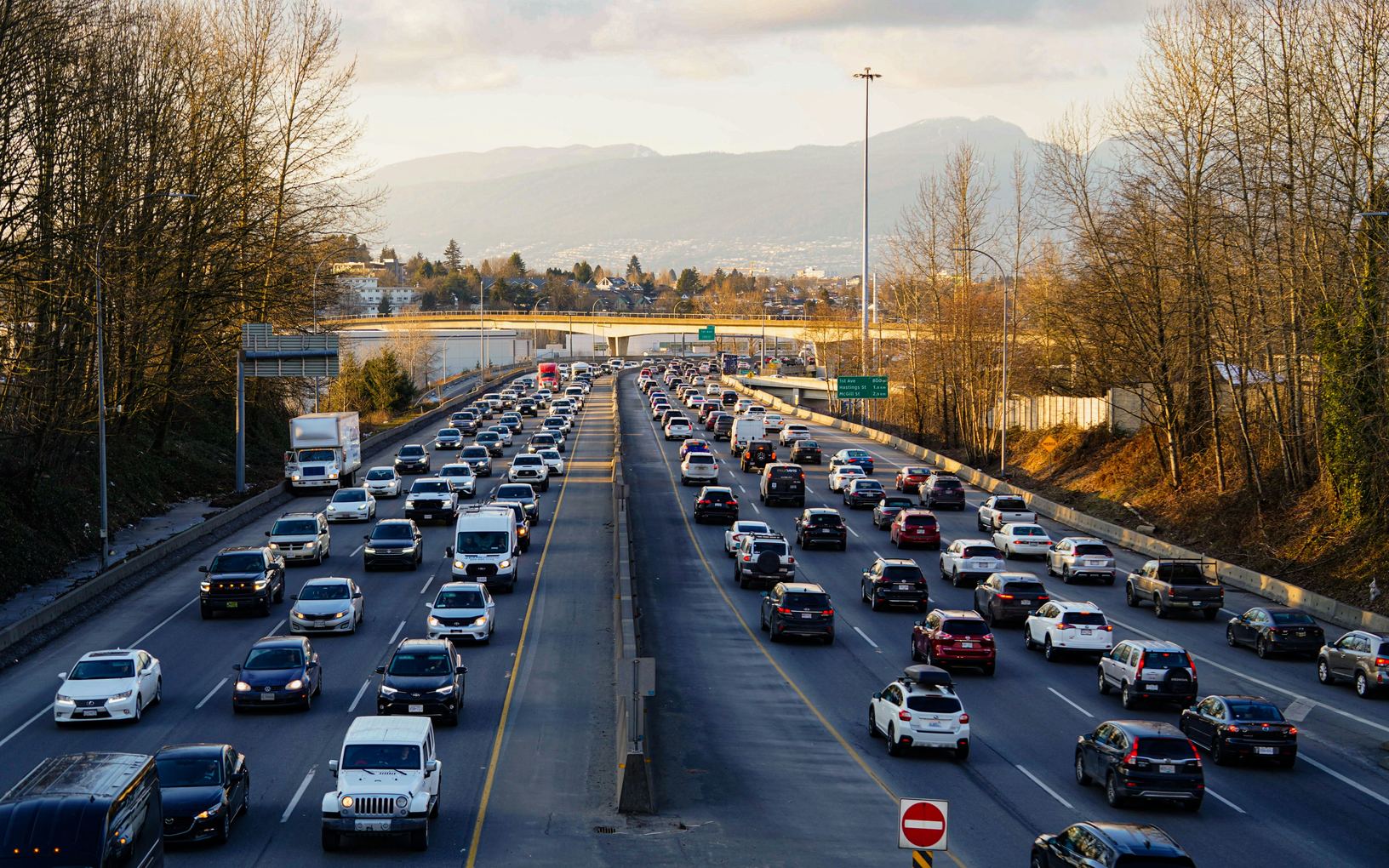
A long commute is predictable, which helps. You drive the same road most days, so you can learn exactly what it takes from the battery. The questions are whether you can charge at one end or both, and how much the weather and the road change the answer.
Measure the drive you actually make
Reset the trip meter in your current car and record a full week of commuting, including the detours for school drop-offs, lunch and errands on the way home. The round trip on a bad day matters more than the one-way distance on a good one. Write down the worst day too.
Compare that with the range the car shows in your harshest season, not the number printed on the window sticker. That number comes from a standard test, and your highway, your weather and your speed will differ. Leave a comfortable margin above your worst day, so the commute never depends on everything going right.
Charging at home, at work or both
Charging at home every night covers most long commutes, as long as the home setup can put back what the day used before morning. A standard wall outlet is slow, so a long round trip may need a home charger on its own circuit. A licensed electrician can judge what your panel will support.
Charging at work changes the picture further, because it splits the day in half. Ask your employer or the building manager whether there are chargers in the lot, who may use them, and whether there is a rota. Even a slow charger at work can take the pressure off a home setup that barely keeps up.
- Does the home setup refill what a long day uses by morning?
- Are there chargers at work, and who may use them?
- Is there a fast-charging station on the route as a fallback?
Speed, traffic and weather
Steady highway driving at speed uses more energy than many first-time owners expect, because air resistance climbs steeply as speed rises. Slow, stop-and-go traffic is gentler on range in an electric car, since regenerative braking puts some energy back each time you slow down. The article on regenerative braking explains how the car recovers it.
Cold mornings, strong headwinds, heavy rain and a cabin heater running the whole way all pull the range down. On a commute with little margin, those days are the ones to plan around. Watch the car's energy screen over your first few weeks and you will learn which conditions take the most range.
Habits that make the commute easier
Plug in every evening, even when the battery looks fine, so each morning starts the same way. Bring the cabin to temperature before you unplug, as the article on preconditioning explains, so the battery is not spending its charge on comfort. Driver assistance can make long highway stretches less tiring, but it does not drive the car, and you stay in charge with hands and eyes on the road.
- Plug in every night as a routine
- Set the cabin temperature before you unplug
- Hold a steady speed rather than surging and braking
- Keep tire pressure where the door-frame label says
What to take away
- Measure a real week of commuting, worst day included
- Compare it with the range in your harshest season
- Plug in every evening so mornings start the same
- Watch the energy screen to learn what takes the most range
How it fits
- Easier when
- A predictable commute and a plug at home make it easy to learn exactly what the drive takes from the battery.
- Harder when
- A very long round trip with no charging at work leaves little room for cold, wind or a detour.
- First step
- Record a full week of commuting, including the worst day, and compare it with the range in your harshest season.
Questions
Sometimes, but often not for a very long round trip. Check how much the car adds overnight on its charging screen and compare it with what your commute uses. If the outlet falls behind, a licensed electrician can tell you whether a home charger on its own circuit is possible.
Usually it does, because the faster a car goes, the harder it works against the air. In slow traffic an electric car recovers some energy each time it slows down. Your own energy screen shows how your route behaves.
Plan those days like a short road trip, with a charging stop if you need one. The article on planning an EV road trip covers how to find chargers along a route and how much margin to leave.