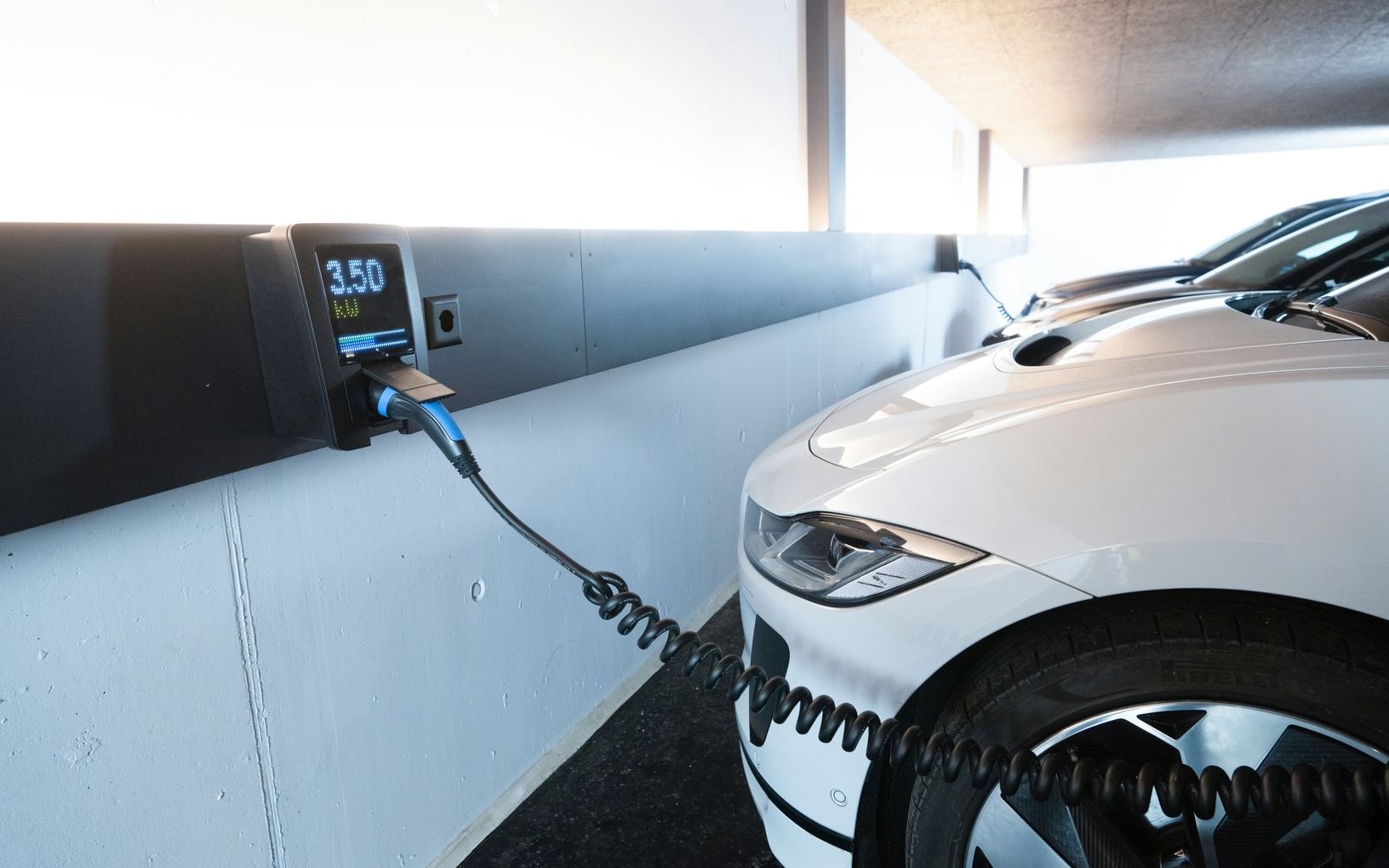
Two stops at similar stations can feel completely different. The reason usually lies in a few conditions the driver can see and partly control. This article explains each one in words and shows where your car reports what it is actually receiving.
The car sets the pace, not only the charger
A public charger offers power, and the car decides how much of it to accept. The battery's management system asks for less when the cells are cold, hot or nearly full, and more when conditions suit them. A powerful station cannot push past what the car is willing to take at that moment.
So the most power printed on the charger's label is an upper limit, not a promise. The owner's manual lists the most your car can accept, and the real figure at any stop sits somewhere below both. That is normal behavior, and it changes from moment to moment as the session goes on.
How full the battery already is
A nearly empty battery takes charge eagerly, and the car slows the flow as the battery fills to protect the cells. The last stretch toward full is the slowest part of any fast-charging session. Watching the car's charging screen during a stop shows the pace easing off as the level climbs.
This is why a quick stop with a low battery often beats a long stop with a battery that is already half full. On a trip, many drivers take what they need to reach the next charger comfortably and leave, rather than waiting through the slow final stretch. The article on planning a road trip shows how to space stops that way.
- Arriving low gives the quickest part of the session
- The pace eases as the battery fills
- The final stretch to full is the slowest of all
- Taking enough for the next stretch often saves the most time
Battery warmth, in both directions
A cold battery accepts charge slowly until it warms up, which is why a first stop after a frosty night can feel sluggish. Many cars start heating the pack ahead of time once a fast charger is chosen as the destination in the built-in navigation. The article on preconditioning explains where that setting lives and when it runs.
A battery that is very warm after a long, hard drive on a hot day can be held back as well. The car may run its cooling system hard and limit the flow until temperatures settle. Arriving after steady driving rather than a flat-out sprint usually gives the battery a more comfortable starting point.
The charger's ceiling and the stall next door
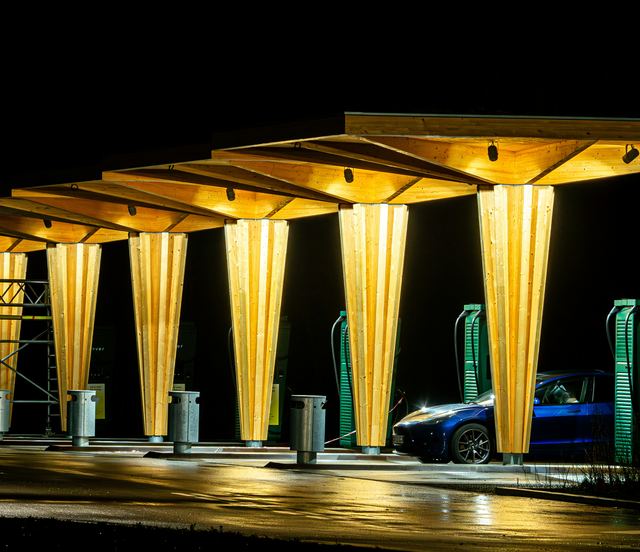
Not every stall at a station gives the same power. Some units are built with a lower ceiling, and the label says so. At some sites, a pair of stalls share one power cabinet, so when a second car plugs in beside you, the power is divided between you and both sessions slow down.
Signs or labels sometimes show which stalls are paired, often with letters or the same number on both. If the station is quiet, choosing a stall whose paired neighbor is empty can help. A worn or damaged cable can also limit a unit, and a fault like that is one to report to the station's support line.
- A lower ceiling printed on the unit's label
- A neighbor sharing the same power cabinet
- A unit running reduced because of a fault
- A station limiting power during busy periods
Reading what the car tells you
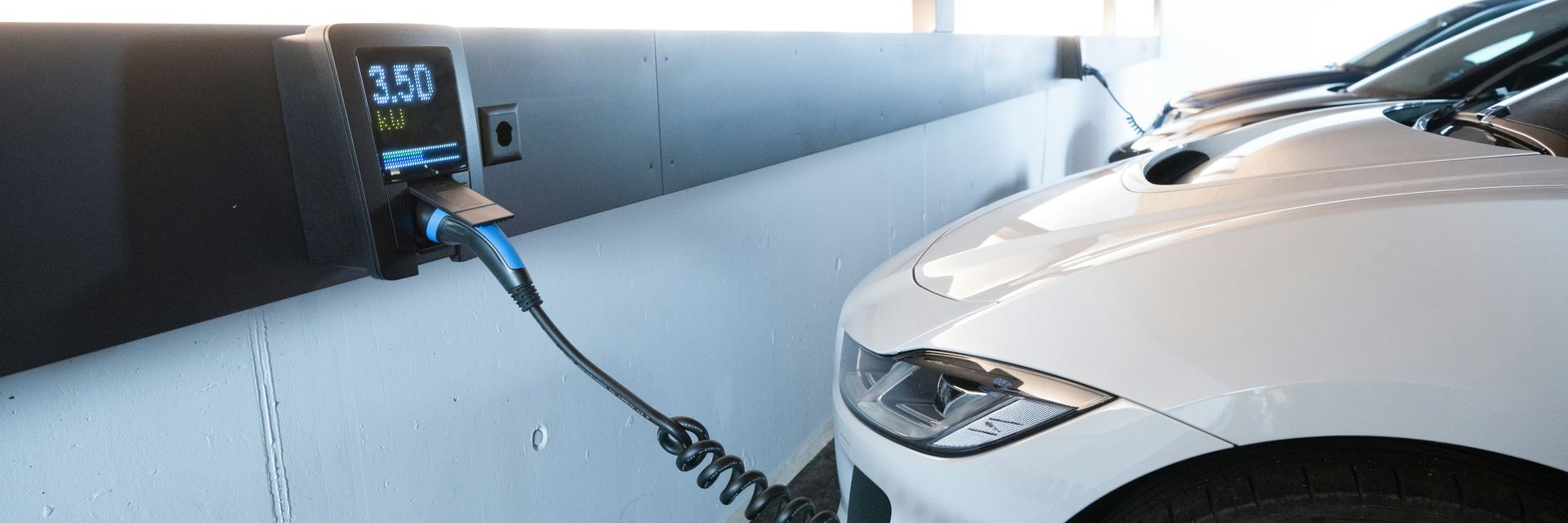
The car's charging screen, and often its phone app, shows the pace of the session and an estimate of when it will reach your chosen level. Watch it for the first moments of a stop. A pace that seems low on a warm battery with plenty of room to fill points to the station rather than the car.
If sessions are slow at every station, in every season, the car itself may be limiting them. Have the carmaker's service department look into it rather than trying to fix it at the roadside. A warning light or a message about the battery goes to them too.
What to take away
- The car chooses how much power to accept at each moment
- Charging eases off as the battery fills
- A battery that is too cold or too hot charges more slowly
- A shared stall splits power between two cars
Before you set off
- Fast charger set as the destination in navigation
- Battery low but with a margin on arrival
- Stall chosen with an empty neighbor if possible
- Charging screen watched for the first moments
- Session ended once there is enough for the next stretch
Questions
The label shows the most the unit can give, not what every car receives. Your car accepts less when its battery is cold, hot or fairly full, and some stalls share power with a neighbor. The owner's manual lists the most your car can accept.
Usually not. Battery warmth, how full it is and the station explain most slow stops. If every session is slow in every condition, or the car shows a warning, the carmaker's service department is the place to have it looked at.