Reading the battery on a used electric car
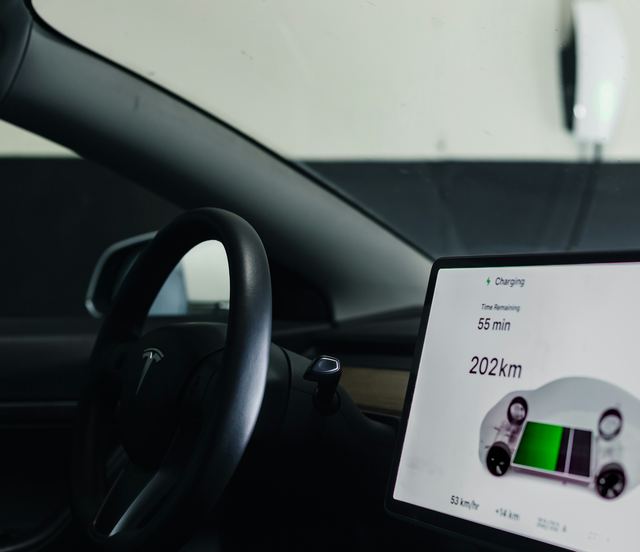
Where a used electric car shows the state of its battery: its own screens, a battery health report and the range estimate.
- Reading time6 min

Section
Used EVs
A used electric car shares most of its checks with any used car and adds a handful of its own. The battery, the charging hardware and the software history tell you how this particular car has lived. These articles cover the checks and the questions that come before a decision.
Tires, brakes, rust and a clean title matter on an electric car exactly as they do on any other. What changes is where the questions sit. The battery's condition, the charge port and its cable, the software the car runs and the warranty still attached to it all deserve a look that a gas car never needed.
Start from your own week before you start from the car. An older model with a shorter range or an older plug can suit a household that charges at home every night and rarely drives far. The same car can be awkward for someone who parks on the street and depends on fast-charging stations. Read each check against the drives you actually make.
The guides
Where a used electric car shows the state of its battery: its own screens, a battery health report and the range estimate.
Charge it, run the heat and cooling, try each braking setting and look through the screens, so the drive tells you about this car.
How a battery warranty or the rest of the factory coverage may or may not pass to a second owner, and where to find out.
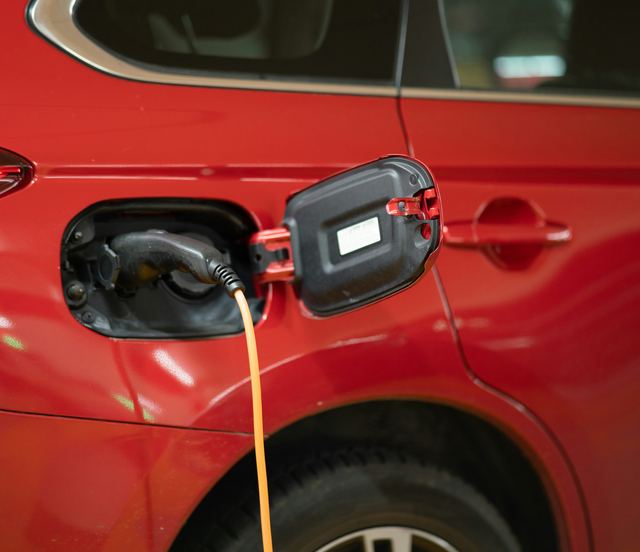
How to look over a used electric car's charge port, its door and the charging cable, and what to do if something looks damaged.
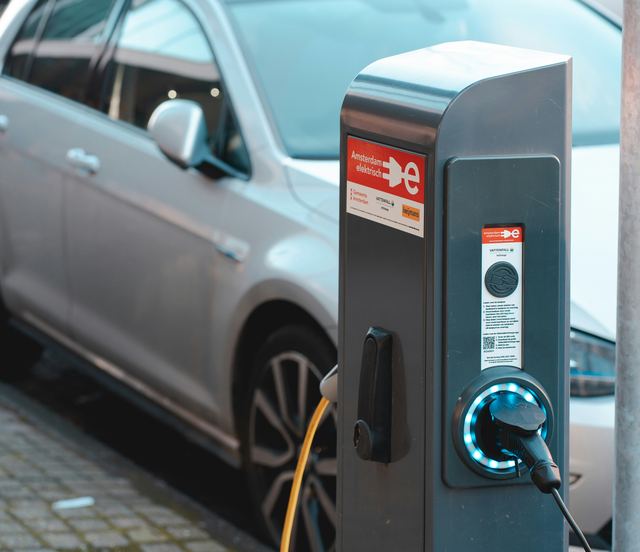
What to know when a used electric car takes an older connector: which chargers fit it, how adapters work and how to check your routes.
How to find open recalls on a used electric car's VIN, check which software updates were applied and move the car's accounts to you.
Questions for a private seller or a dealer about a used electric car's battery, charging habits, paperwork and accounts.
Questions
The fit check turns six answers about your week into a short reading list.
Take the fit checkNot harder, just different in a few places. The engine checks drop away, and the battery, the charging hardware and the software take their place. Most of what you need comes from the car's own screens, a battery health report and the paperwork the seller hands over.
The carmaker's service department can often produce a battery health report from the car's own data, and some sellers bring a recent one with them. Many cars also show something useful on their own screens. Ask the seller to arrange a report, or to let you bring the car to a service department yourself.
Sometimes, and the terms vary by carmaker and by the kind of coverage. The warranty booklet and the carmaker's service department, given the car's VIN, can tell you what remains and whether a later owner keeps it. Get that answer in writing before you rely on it.
Find out which connector it uses, then check whether the chargers on your usual routes offer it. Home charging is often unaffected, because many home chargers use the plug older cars were built for. The article on older charging standards covers adapters and what to look for.
Treat it as an estimate shaped by the last owner's driving, the weather and the charge limit set in the car. It is useful for spotting how the car behaves, not for judging the battery on its own. A battery health report and a test drive tell you more.