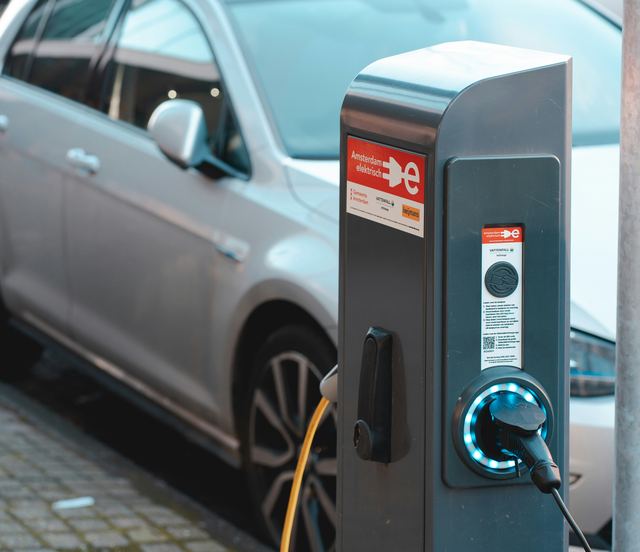
Every charge passes through the charge port, and often through a cable that travels with the car. On a used car both have been handled many times by someone else. A careful look takes little time and tells you whether they are in sound condition.
The charge port door
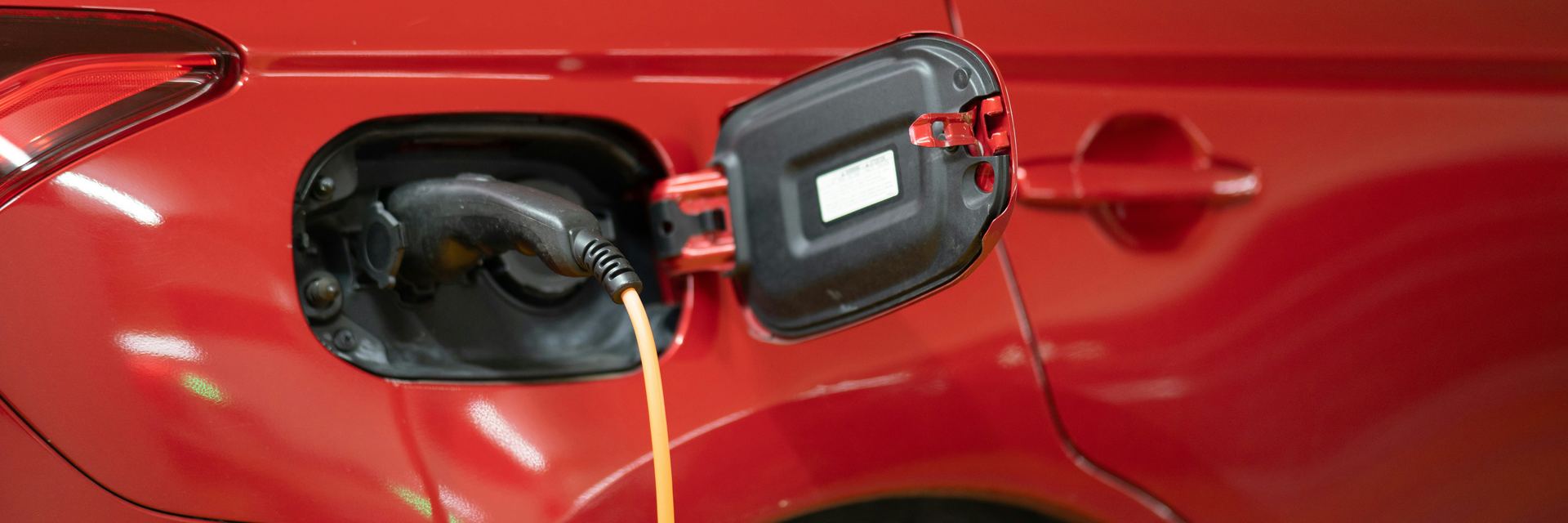
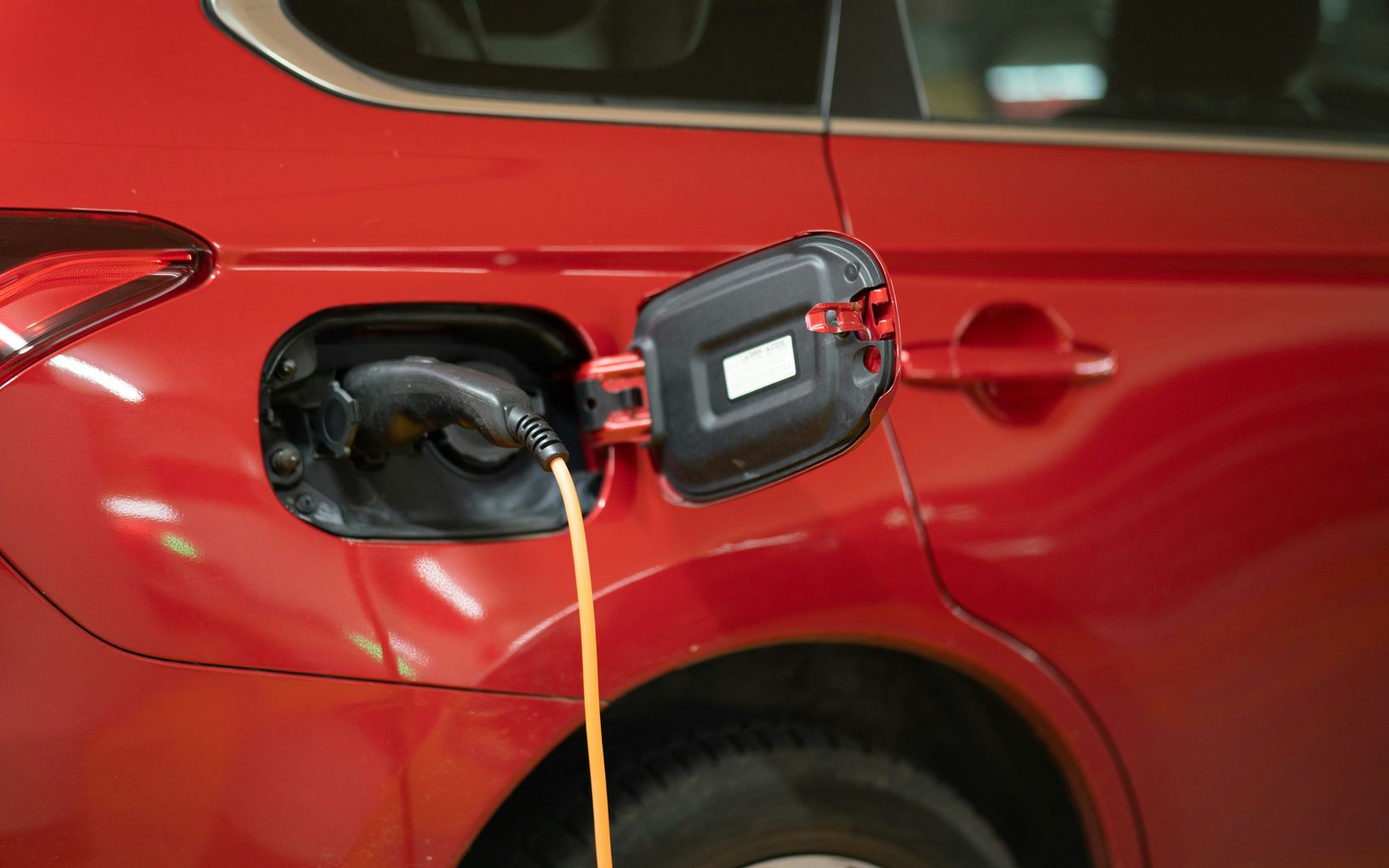
Find the charge port door, which may sit on a front fender, a rear corner or the nose of the car, and open it as the owner's manual describes. Some open with a press, some from the touchscreen or a button, and some move on their own. It should open and close smoothly, sit flush when shut and stay latched.
Look at the hinge and the edges for cracks, a broken latch or signs it has been forced. A door that will not close leaves the port open to rain, road salt and dirt, so it matters more than it looks. Check that the rubber seal around it is whole and seated, if the car has one.
- Opens the way the owner's manual describes
- Closes flush and stays latched
- Hinge, edges and seal whole, with no sign of forcing
Inside the port
Shine a flashlight into the port without touching the pins. You are looking for anything out of place: a bent or pushed-in pin, darkened or melted-looking plastic, corrosion, moisture or debris packed into the openings. Any cap or cover over part of the port should be present and fit properly.
Many ports have a small light and a lock that holds the connector in place while charging. Plug in once and check that the lock engages, then releases when the car is unlocked or the session ends. Scorch marks, melted plastic or a lock that will not let go are for the carmaker's service department, and the port should not be used until it has been checked.
- Pins straight, with none bent or pushed back
- No darkened, melted-looking or cracked plastic
- No corrosion, moisture or packed debris
- The connector lock engaging and releasing
The cable that came with the car
Many electric cars came with a portable charging cable that plugs into a wall outlet, and some came with more than one plug end or an adapter. The owner's manual or the original window sticker often says what was included. Ask the seller for everything that came with the car, rather than assuming the trunk holds it all.
Unroll the cable fully and run your hand along it. Check the outer jacket for cuts, crushed spots, kinks and swelling, and look at both plug ends for bent pins, cracks and scorch marks. If it has a control box partway along, check that the box is intact and that its indicator lights come on when it is plugged in.
When something looks wrong
Do not use a cable, plug or adapter that is cut, swollen, cracked or scorched, even to try it. The same goes for a cable that has been taped up or spliced. Damaged charging equipment can overheat, so set it aside and get a replacement the carmaker approves for the car.
An extension cord or a household plug adapter does not belong in the charging kit unless the carmaker's manual allows it. If the seller hands one over as part of the setup, put it aside and ask what the car was really charged from. A problem with the port itself goes to the carmaker's service department.
- Cuts, swelling, cracks or scorch marks on any part
- Tape, splices or home repairs on the cable
- Extension cords or household adapters in the kit
A home charger is a separate question
A home charger mounted on the seller's wall is usually treated as part of the house, not the car. If a seller offers one, ask how it was installed and whether a licensed electrician wired it. Taking it down and putting it up at your home is a job for a licensed electrician too.
What you need is a way to charge where the car will sleep at night. Before you decide, work out whether the cable that comes with the car will do for your week, or whether you will want a home charger on its own circuit. A licensed electrician can tell you what your home's wiring allows.
What to take away
- Open and close the charge port door the way the manual says
- Look into the port with a flashlight, without touching the pins
- Unroll the cable and inspect its whole length and both ends
- Set damaged charging equipment aside and leave it unplugged
Ask the seller
- Which cables and adapters came with the car when new?
- Has the cable or the charge port ever been replaced?
- Has the charge port door ever been damaged or repaired?
- What has the car been charged from at home?
- Is the home charger on the wall staying with the house?
Questions
It happens, especially when a cable was lost or kept by an earlier owner, and some models never came with one. Check the owner's manual for what was included, and ask the seller directly. Plan how you will charge before you decide.
The owner's manual says what it allows, and many advise against putting anything into the port. Light dust on the outside of the door can be wiped away. Anything packed into the port, or any moisture or corrosion inside it, is for the carmaker's service department.