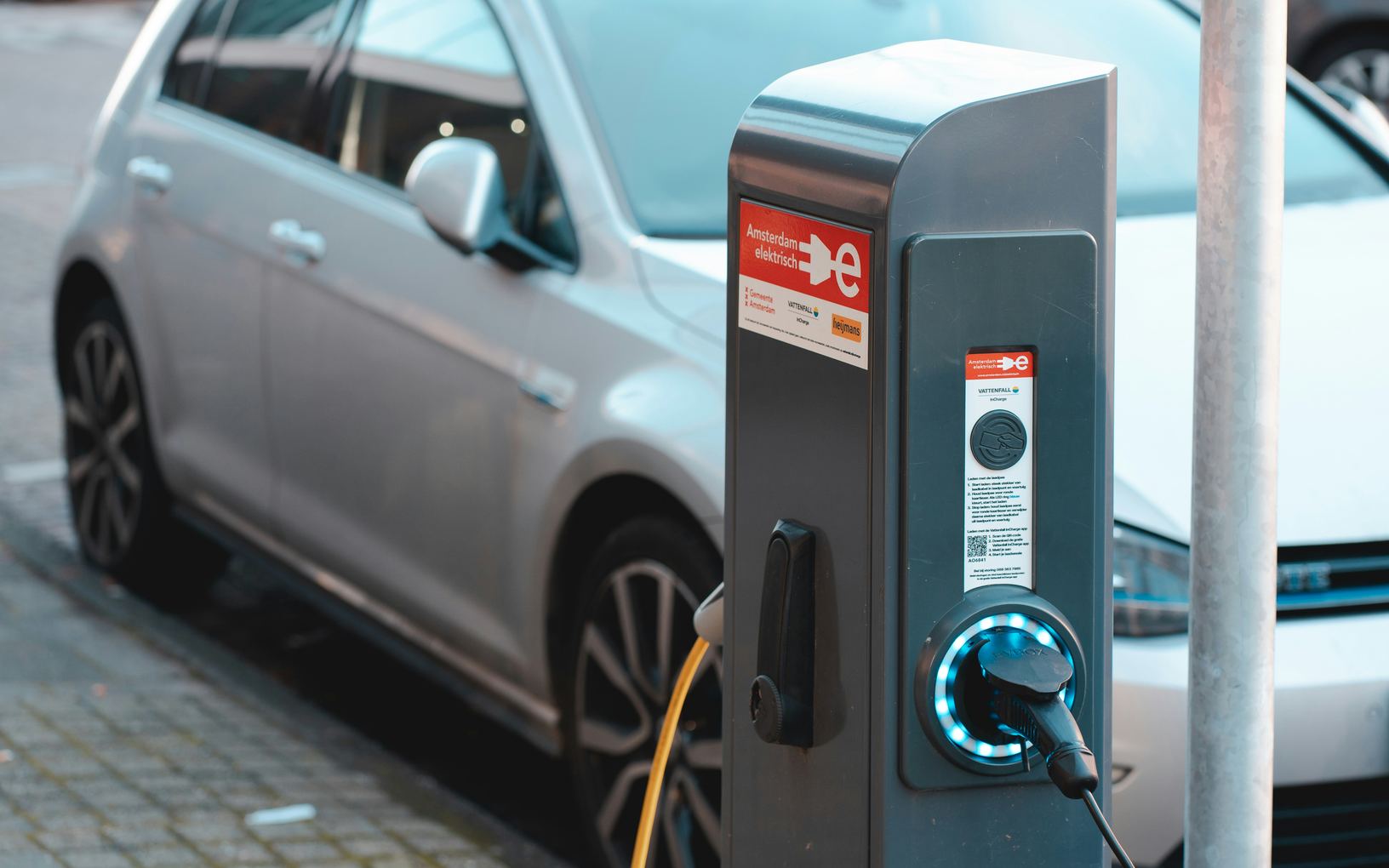
Connectors have changed as electric cars have spread, and a used car keeps whatever plug it was built with. That may be the connector most new cars in North America now use, or one that fewer chargers offer. Find out which one your car has, then check it against the places you would charge.
Which connector the car has
Open the charge port door and compare the port's shape with the pictures in the owner's manual, which names each type of charging the car accepts. Some cars have one port for both home and fast charging, some add a separate fast-charging section below the slower one, and some earlier models had no fast-charging port at all.
Do not go by the model name alone, since a model may have changed connectors partway through its run or offered fast charging only on some versions. What matters is the port on this particular car. The article on plugs and connectors explains the main types in more detail.
Home charging on an older car
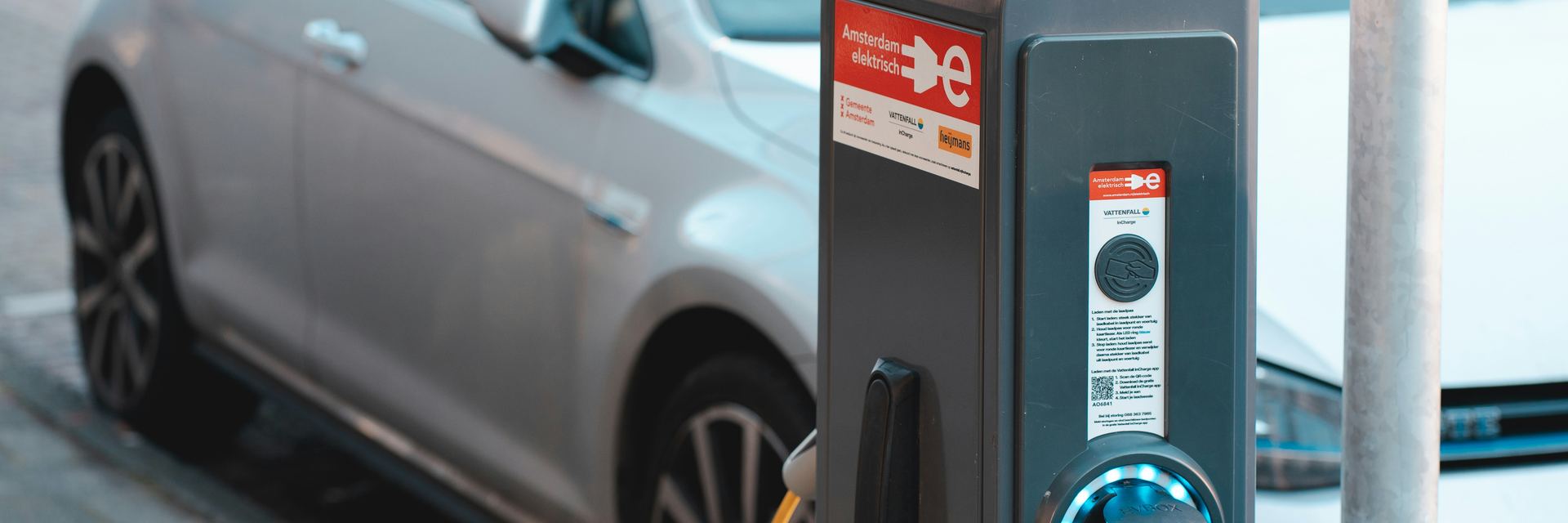
For many older cars, home charging is the easy part. The common plug for slower charging that most earlier electric cars used fits many home chargers, and many destination chargers at hotels, workplaces and parking garages. If the car will charge where it sleeps at night, the connector may hardly matter in an ordinary week.
Check this rather than assuming it. Look at the home charger you have or plan to have installed, and confirm that its plug fits the car's port or that the carmaker approves an adapter for it. The charger's own label shows the plug it uses, and a licensed electrician can advise on the wiring side.
Fast charging away from home
The connector matters most on longer drives. An older fast-charging connector that some earlier models used is offered at fewer stations than it once was, and a station that still has it may carry only one such plug. A car with that connector can suit someone who rarely charges away from home and frustrate someone who does.
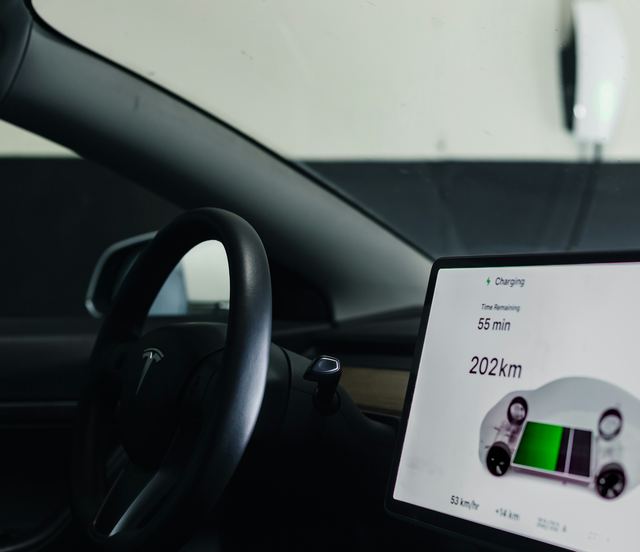
Older cars also tend to fast charge more slowly than newer ones, even at the same station. The car's charging screen and the owner's manual describe what to expect. If you make long drives often, look up the stations along them before you decide; the article on planning an EV road trip covers the rest.
- Stations along the long drives you make most
- Whether each one has more than one plug of the car's type
- Whether the stations near you are being updated or removed
Adapters, and which ones to trust
Adapters let some cars use a connector their port was not built for. Use only an adapter the carmaker approves for that car, or one the owner's manual names, and follow its instructions. An adapter made for slower charging is not a fast-charging adapter, and one cannot stand in for the other.
Ask the seller whether an adapter comes with the car and where it came from. Look it over as you would the cable, for cracks, bent pins and scorch marks. Never use a household plug adapter or an extension cord as part of a charging setup unless the carmaker's manual allows it.
- Approved by the carmaker for this car
- Made for the kind of charging you will use it for
- Whole, with no cracks, bent pins or scorch marks
Software and newer stations
Some fast-charging stations and charging network apps rely on features in the car's software to work smoothly. An older car may lack a feature a newer station offers, such as starting a session simply by plugging in. It will usually still charge, though you may need to start the session from the network's app or the station's screen.
The carmaker's service department can say whether the car's current software supports the stations you plan to use, and whether an update has changed that. A charging network's app usually lists which connectors each station has, which is a quick way to check your own routes before you decide.
What to take away
- Check the car's actual port, not only its model name
- Home charging often suits older cars without trouble
- Look up fast-charging stations on your usual long drives
- Use only adapters the carmaker approves for the car
Ask the seller
- Which connector does the car's charge port take?
- Does this version of the car have a fast-charging port?
- Does an approved adapter come with the car?
- Where did you fast charge on longer drives?
- Has the car had any charging-related software updates?
Questions
The car keeps charging from any charger with its connector, or through an approved adapter. What can change is how many stations near you offer that connector. Nobody can say for certain how that will go, so check the stations on your own routes.
That is a question for the carmaker's service department, not a job to do yourself. Changes to a car's charging hardware involve the high-voltage system and may affect the warranty. Ask before choosing a car on the assumption that it can be changed later.