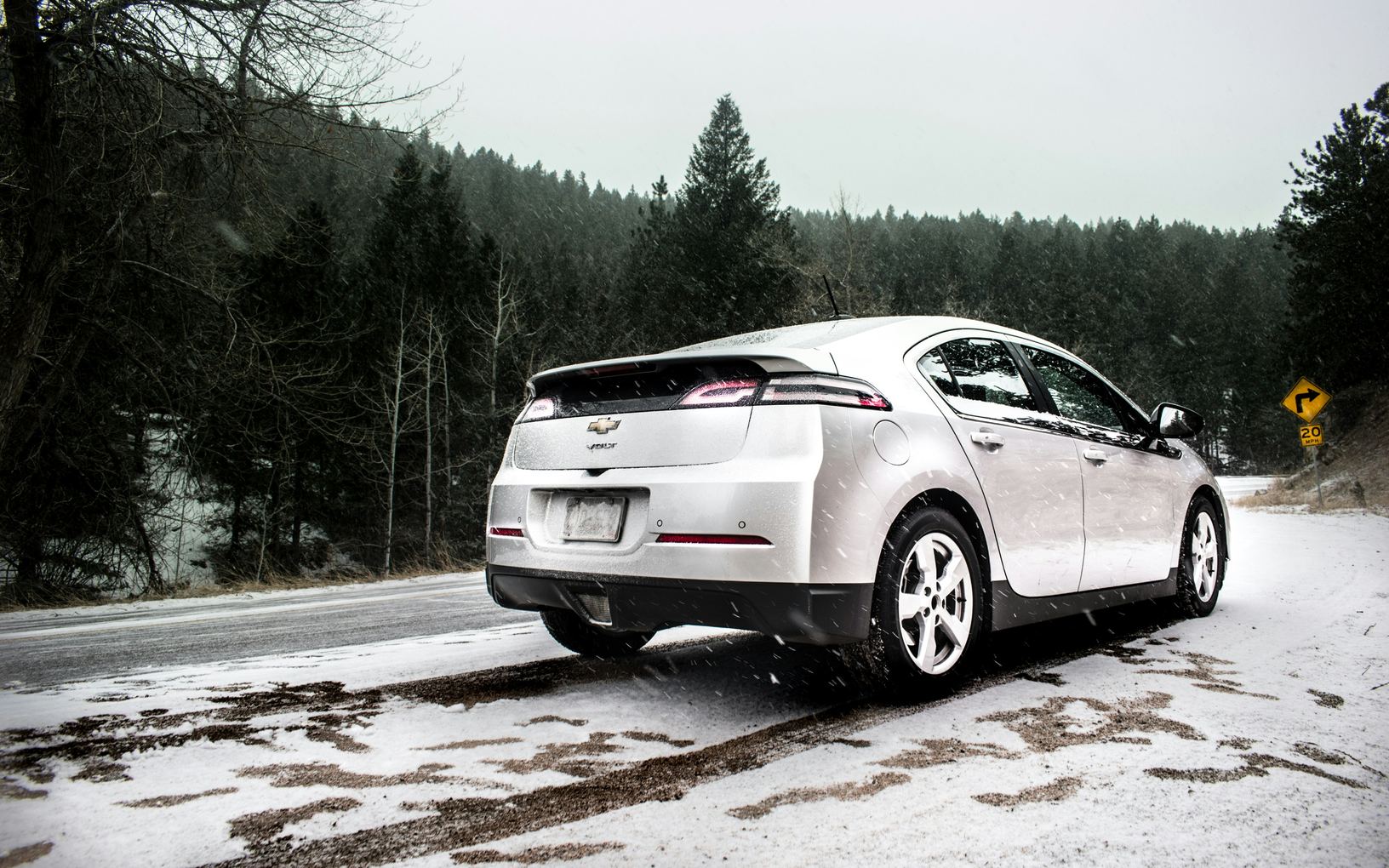
Winter is the season that teaches new owners the most. The range estimate drops, charging slows and the heater draws from the battery. None of it harms the car, and most of it is easy to work around once you know what is happening and why.
What the cold changes, and what it does not
A cold battery gives up its energy less willingly and takes it back more slowly, so the car shows a shorter range and charges more gradually until the pack warms. Heating the cabin also uses energy that a gas engine would have produced as waste heat. Together, these explain why winter mornings look so different on the screen.
What the cold does not do is damage the battery in a day or leave the car unable to start the way a weak gas-car battery might. The car manages its own battery temperature, and the range recovers as the weather turns mild. Your owner's manual says what the carmaker suggests for very cold spells.
A garage, a plug and a heat pump
Parking in a garage, even an unheated one, shelters the car from wind and snow and gives the battery a gentler night. Staying connected when it is bitterly cold lets the car keep the battery warm using power from the wall instead of from its own charge. Check the manual for what your car does while connected.
A heat pump warms the cabin with less energy than a simple electric heater, and it makes a noticeable difference in winter. Not every car has one. Ask the seller or check the window sticker and the owner's manual before you buy, and treat it as a real question if you live somewhere with long winters.
- Park in a garage or out of the wind when you can
- Keep it connected at home through deep cold snaps
- Ask whether the car has a heat pump before buying
- Check the manual for any cold-weather battery setting
Mornings that start warm
Most electric cars let you warm the cabin and the battery on a schedule or from the phone app while it is still connected to the charger. Doing that means the heat comes from the wall, and you pull away warm with the battery close to where charging left it. The article on preconditioning covers how the settings usually work.
On a cold drive, the heated seats and steering wheel put warmth into the people rather than the whole cabin, and they draw much less from the battery. Turning those on first and setting the cabin heater lower lets the charge go further. Defrost the windshield fully before you move, since a clear view matters more than range.
Snow, ice and the charge port
Ice can freeze a charge port door shut or lock a connector in place. Certain cars offer a way to warm the port or release the latch, and the owner's manual explains what yours offers. Do not force a frozen door or pull hard on a stuck connector, because a damaged port needs the carmaker's service department.
Brush snow off the cameras, sensors and lights as well as the windows, since driver assistance and parking aids rely on them. Charging cables stiffen in the cold, so uncoil them slowly and store them dry. Keep the connector capped or off the ground, away from slush and road salt.
- Check the manual for a port heater or latch release
- Never force a frozen charge port door
- Clear snow from cameras and sensors before driving
- Store the cable dry and keep the connector off the ground
Before your first winter with one
Fit tires suited to your winters, and ask a tire shop about ones made for the car's weight. Learn where the car's winter or snow mode is and what it changes. Plan longer drives with more margin than in summer, and read the article on winter road trips before your first holiday drive.
What to take away
- A shorter winter range estimate is normal and recovers
- Stay connected at home in deep cold if you can
- Warm the car while it is connected, not on the battery
- Never force a frozen charge port or stuck connector
How it fits
- Easier when
- A garage, a plug at home and a car with a heat pump make winter with an electric car straightforward.
- Harder when
- Shorter winter range and slower charging make long drives in deep cold take more planning.
- First step
- Ask whether the car you are considering has a heat pump and what the manual says about cold-weather charging.
Questions
A cold battery holds back some of its energy and the cabin heater draws from it too. The estimate reacts to both at once. As the battery warms during a drive and the weather turns mild, much of that range comes back.
Many owners do, because the car can keep its battery warm from the wall. Your car's behavior when connected in the cold, and any setting for it, is set out in the owner's manual.
In long, cold winters it often makes a noticeable difference, because it heats the cabin with less energy. Not every car has one, so ask the seller or check the window sticker and the manual before buying.