Parking on the street usually means no plug waiting when you get home. That does not rule out an electric car, but it moves charging from your front door to the rest of your week. This article covers how to tell whether that move will feel easy or tiring for you.
Why the curb changes things
Owners with a driveway tend to wake up to a full battery without thinking about it. On the street, you think about it. Charging becomes something you fit in, the way a gas car owner stops to fill up, except that it may take longer per visit and you may do it more often.
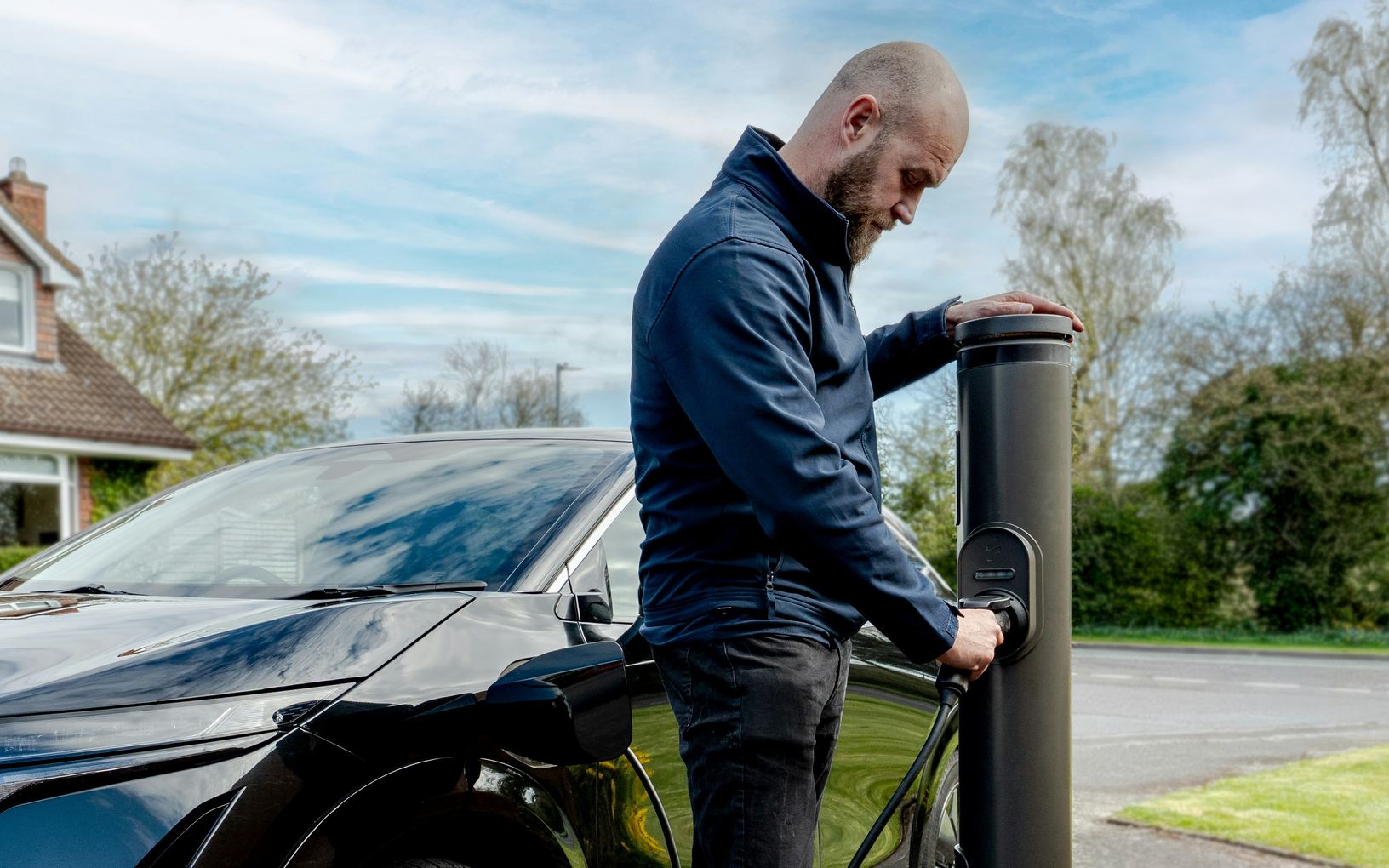
Whether that feels like a chore depends on what is near you. A curbside charger on your block or a charger at your workplace can make street parking almost as easy as a garage. A neighborhood with no chargers and a long drive to the nearest one makes it hard work.
Finding chargers along your regular routes
Make a list of the places you already stop in an ordinary week and check which of them have chargers. The car's navigation and the apps run by charging networks show charger locations, and some show whether a charger is in use right now. Visit a few in person, since a map pin cannot tell you whether a space is usually blocked.
Notice the kind of charger at each stop. A slower charger at the gym or the library suits a longer stay. A fast-charging station suits a short stop on the way somewhere. Your week needs at least one kind you can count on, and ideally a fallback.
- Your workplace, or a parking garage near it
- The grocery store and other weekly errands
- A gym, library or community center you use often
- Curbside chargers on or near your street
- A fast-charging station on a road you drive anyway
Running a cable to the curb
It is tempting to run a cable from your house across the sidewalk to the car. Ask your town what it allows first, because many places forbid cables over a public walkway, and a cable there can trip someone walking past in the dark. Some towns have approved ways of doing it and some have curbside chargers on request.
Never use a household extension cord for charging unless the owner's manual allows that exact kind of cord. Any outdoor outlet you use should be wired and protected by a licensed electrician. If the arrangement depends on bending a rule or leaving a cable loose on the ground, it is not worth it.
Habits for charging away from home
Charge when it is convenient, not when the battery is low. Plugging in during a weekly shop or at the office means you rarely face a long stop at an awkward time. Keep enough in reserve that a broken or busy charger is a nuisance rather than a problem.
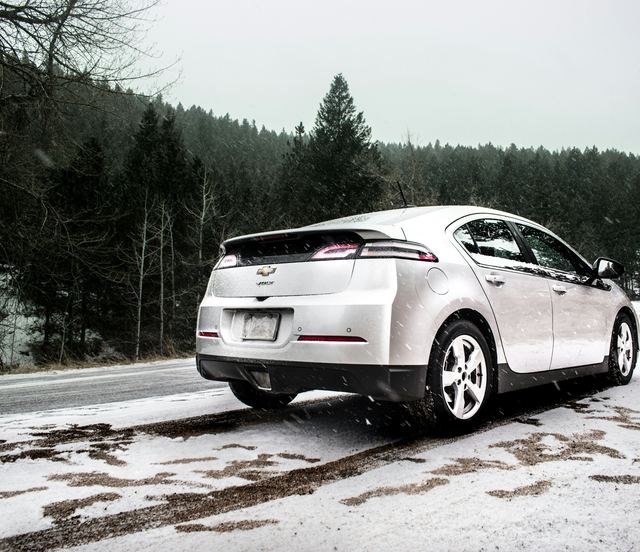
Move the car once it has enough, since many public chargers have time limits and other drivers are waiting. The article on public charger etiquette covers the unwritten rules. In winter, brush the snow off around the charge port door on arrival, so the stop stays quick.
- Plug in during errands rather than making a special trip
- Keep a cushion for the day a charger is out of order
- Know a second charger near each place you rely on
- Turn on the charge-complete notice so you can move promptly
Questions to settle before you commit
Spend a few weeks paying attention before you buy. Note where you parked each night, which chargers you passed, and when you would have stopped. If charging fits around what you already do, street parking will feel normal soon. If every stop would be a detour, an electric car will ask more of you than it gives back for now.
What to take away
- Charging moves from your door to the rest of your week
- Check chargers at places you already stop
- Ask your town before running any cable to the curb
- Charge when it suits you, not when the battery is low
How it fits
- Easier when
- A reliable charger at work or along your regular errands makes street parking with an electric car manageable.
- Harder when
- With no plug at home, every charge takes a stop somewhere, and a busy or broken charger eats into your day.
- First step
- List the places you stop in a normal week and check which of them have chargers you could use.
Questions
Many people do, especially when a charger sits at work or along their usual errands. It takes more planning than charging at home, and it depends on how reliable the chargers near you are. Try mapping a real week before you decide.
That depends on your town, and many do not allow it. Ask the town or city office before you try, and never use a household extension cord unless the owner's manual permits it. A cable on a public walkway is a trip hazard for everyone passing.