A household with one electric car and one gas car has a lot of flexibility. Each car can take the drives it suits, and nobody has to solve every situation with a single vehicle. The trick is setting up the garage and the habits so both cars are ready when needed.
Giving each car the drives it suits
Many households use the electric car for daily driving, commuting and errands, and keep the gas car for long trips, towing or remote areas. That is not a rule, but it is a common starting point. Talk it over as a household, since the person with the longest daily drive may want the car that charges at home.
Revisit the arrangement after a few months. Many owners find the electric car handles more than they expected, and the gas car spends more time in the garage. Others find the opposite. Let your actual driving decide rather than a plan made before anyone had tried it.
Fitting a charger into a shared garage
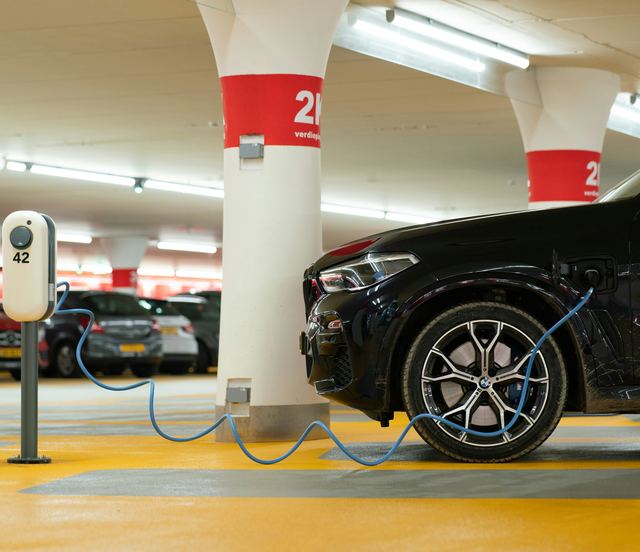
Think about where the charge port sits on the electric car and where the charger will go, so the cable reaches without stretching across the gas car's path. A licensed electrician can suggest a mounting spot and check the panel. Keep the cable off the floor and away from where the gas car parks or turns.
Decide which car parks where, since one may need to back in so the charge port faces the charger. Open the garage door before starting the gas car, and never let its engine idle with the door shut. If both cars may be electric someday, mention that to the electrician now.
- Mount the charger where the cable reaches the port easily
- Keep the cable away from the gas car's path
- Decide which car parks on which side
- Mention a possible second electric car to the electrician
Different habits for each car
The gas car needs oil changes, fuel and its own service schedule, while the electric car has a different schedule in its own owner's manual. Keep both manuals handy and note each car's service dates separately. Whoever drives the electric car last should plug it in, so it is ready for the next person.
- Follow each car's own service schedule
- Plug in the electric car whenever it comes home
- Fill the gas car before it runs low, as usual
- Keep both owner's manuals somewhere easy to reach
Switching between the cars
The cars feel different to drive. An electric car with strong regenerative braking slows down as soon as you lift off the accelerator, and a gas car coasts. Take a moment to adjust when you switch, especially in traffic. Regenerative braking has its own article, which covers the settings.
Set up driver profiles, phone pairing and digital keys for everyone who drives the electric car. The articles on digital keys and phone pairing cover the details. Show anyone who will drive it how to charge it, start it and find the basic controls before they set off.
What to take away
- Let each car take the drives it suits
- Place the charger so the cable reaches without crossing paths
- Plug in the electric car whenever it comes home
- Adjust to the different feel when you switch cars
How it fits
- Easier when
- A second car for long trips or towing lets the electric car handle the daily driving it does well.
- Harder when
- Fitting a charger and cable into a garage shared with a gas car takes some planning.
- First step
- Decide which car parks where, then ask a licensed electrician where a charger could go.
Questions
Many households use the gas car for long trips and towing, and the electric car for daily driving. That is not a rule. Let your actual driving decide once you have tried both.
Yes, with sensible precautions. Keep the charging cable out of the gas car's path, open the garage door before the gas car's engine starts, and have a licensed electrician install the charger.