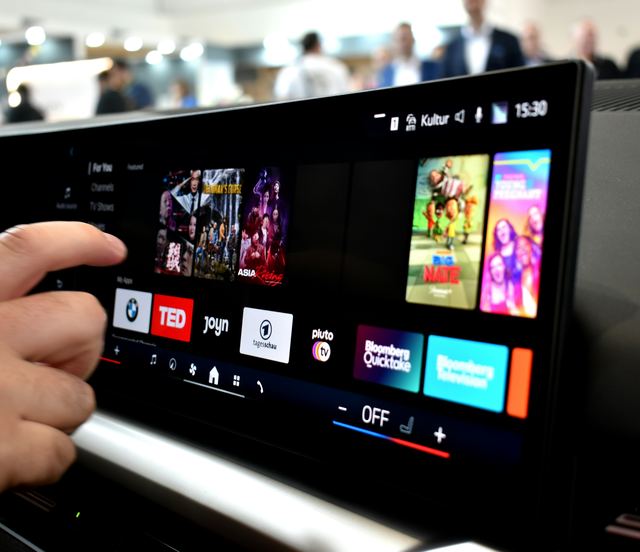
Preconditioning means bringing the cabin, and in many cars the battery, to a comfortable state before you set off. It turns a frozen or baking car into one that is ready when you open the door. Done with the cable still plugged in, it does most of that work using the home supply instead of the charge you need for the drive.
What preconditioning does
When preconditioning runs, the car heats or cools the cabin to the temperature you chose and may warm the seats, the steering wheel and the windows. Many electric cars also bring the battery toward a temperature it handles well, which helps it give its full power and accept charge readily on the first stretch.
Some cars run it once at a set time, some run it on request from the phone app, and many do both. A separate kind of battery warming begins during the drive to a fast-charging station when you choose that station in the navigation; the article on why charging speed varies covers that part.
Fitting a schedule to your week
Most cars accept a departure time, and the car works backward from it so the cabin is ready at that moment. Look for a way to set different times for different days, since a Tuesday commute and a slow Saturday morning call for different schedules. Some cars tie the departure time to the charging schedule, so the battery finishes filling just before you leave.
Check the schedule after anything that changes the car's clock, such as a seasonal clock change or a drive into another time zone. If you leave at irregular hours, the on-demand button in the companion app may fit better than a fixed time. The owner's manual explains whether a schedule runs when the car is not plugged in.
- A departure time for each weekday you drive
- A charging schedule that finishes close to departure
- Separate settings for workdays and weekends
- A quick look after any change to the car's clock
Warming the people, not only the air
Heating a whole cabin of air takes far more energy than warming the surfaces you touch. Heated seats and a warm steering wheel work directly on the driver, and they feel warm almost at once, well before the air does. Ventilated seats do the same job in reverse on a hot afternoon, cooling your back without chilling the whole car.
Many cars offer a mode that sends air only to the occupied seats, or an eco climate setting that runs the system more gently. Recirculation helps the cabin reach temperature sooner in heat but can fog the glass in cold, damp weather. Some cars use a heat pump, which the manual may describe; it changes how the heater behaves, not how you use the controls.
- Heated seats and the steering wheel heater first
- A mode that heats or cools only occupied seats
- An eco climate setting for gentler running
- Recirculation in heat, fresh air when the glass fogs
Frost, fog and clear glass
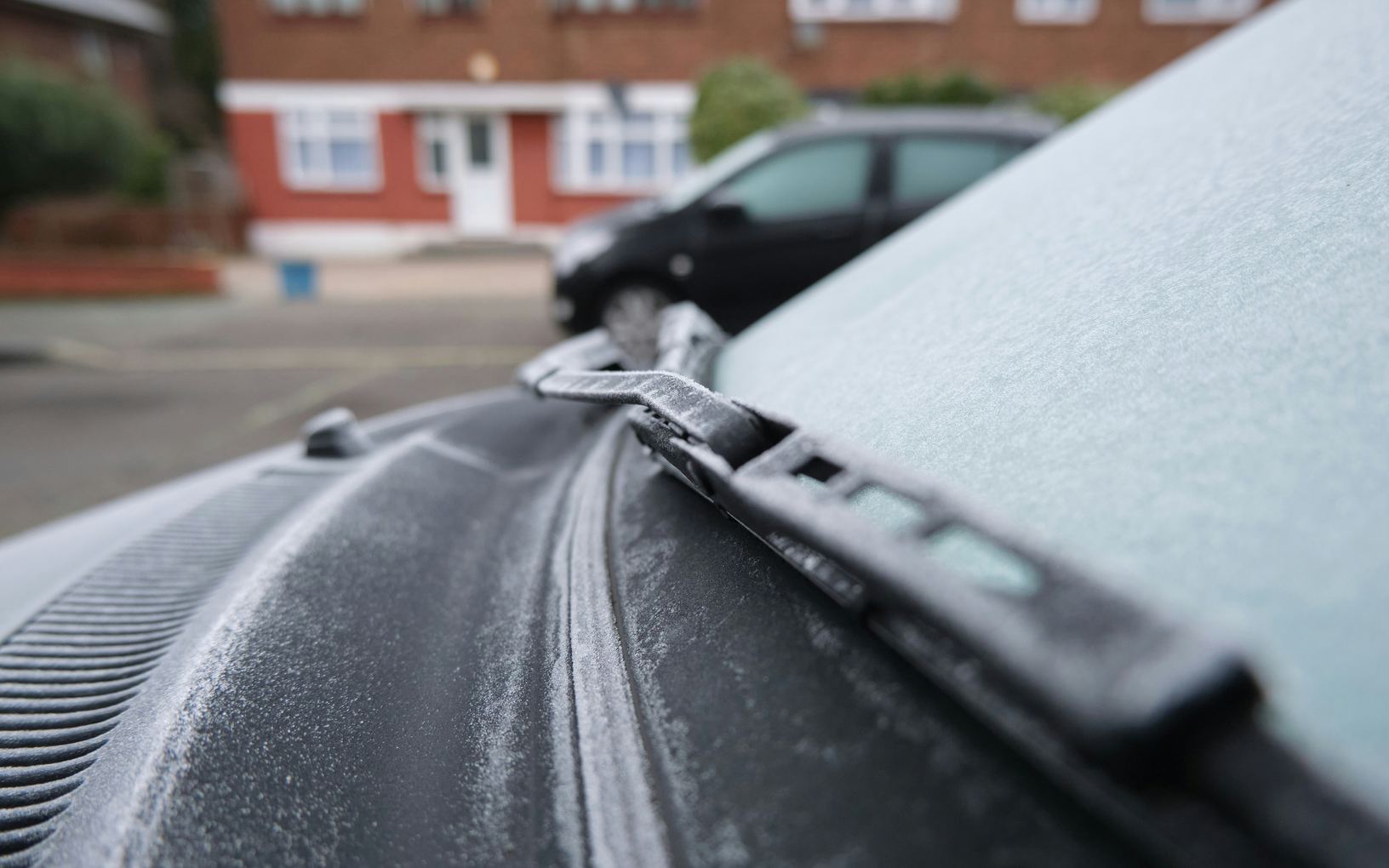
Preconditioning loosens frost, but it does not replace clearing the car properly. Brush snow off the roof, the lights and the windows, and wipe the cameras and sensors used by driver assistance, which can stop working when covered. Start the windshield defrost and the heated rear window before you need them, so the glass is clear before you move.
Never drive while peering through a small cleared patch. If the windows fog during a drive, turn on the defrost, which usually brings in fresh air and runs the air conditioning to dry it. Wipers frozen to the glass can tear, so loosen them before switching them on, or use a wiper de-icer if your car has one.
Parked-car modes and staying safe
Some cars can keep the climate running while parked, or switch on cooling when the cabin gets very hot. These modes draw on the battery when the car is unplugged, and the manual says when each one turns itself off. They are a convenience, not a guardian: never leave a child in a parked car, whatever setting is on.
A fully electric car warming up in a closed garage gives off no exhaust. A gas car or a hybrid that starts its engine to warm the cabin is different, and it must never run in a closed garage, even with the door partly open. If your household has both kinds, the article on sharing the garage with a gas car covers the routine.
What to take away
- Precondition while plugged in to keep the battery for the drive
- Set departure times that fit each day of your week
- Warm the driver with seat and wheel heaters before the air
- Never leave a child in a parked car, whatever the setting
Try it while parked
- Find the departure time setting and read its options
- Turn on the seat heater and the steering wheel heater
- Locate the defrost and heated rear window buttons
- Check for a mode that heats only occupied seats
- Read the manual's page on parked-car climate modes
Questions
In most cars it does, but the energy then comes out of the battery, so you start the drive with less charge. On a short commute that may not matter much. On a long day, or in hard cold, it is worth plugging in overnight so the car can draw on the home supply instead.
Many cars allow it through the carmaker's app, which can start the climate on request or change a schedule. It usually needs the car to have a cellular signal where it is parked, so an underground garage can get in the way. The article on companion apps covers setting up the app itself.