Driving an electric car a long way in winter calls for closer stops and a little patience at each charger. None of it is difficult once you know the habits. This article covers planning for cold days, arriving at a charger warm, ice around the charge port and what to keep in the car if the road closes.
Plan stops closer together
Cold weather means the car uses more of its charge on heat, and the battery gives up less of what it holds until it warms. On a winter trip, plan stops closer together than you would in summer and keep a wider margin when you arrive at each one. The car's planner usually adjusts for the cold, but check its estimates against the distances.
Expect the estimate to move in the first part of a cold drive as the battery and cabin warm up. It often settles after a while on the road. The article on the range estimate explains how the car arrives at its number and why it can swing on a frosty morning.
- Stops planned closer together than in mild weather
- A wider margin at every arrival
- Planner estimates checked against the distances
- A second charger noted within easy reach
Arrive at the charger with a warm battery
A battery that has been driving for a while charges more readily than one that has just sat in a cold lot. Pick the fast charger as your destination in the built-in navigation, and a car that offers battery warming starts heating the pack while you drive there. The article on preconditioning describes the setting.
Charge first and eat second. If you stop for a long meal before plugging in, the battery cools and the session starts slowly. Plug in as soon as you arrive, then go inside while the car charges, and let its alert call you back so the stall is freed when you are done.
Ice, snow and the charge port
Brush snow off the charge port door first, so none of it falls into the socket when the door opens. A frozen port door or a plug that will not release usually thaws once the car warms, and some cars offer a port heater in their settings. The owner's manual describes what your car offers.
Never pry a frozen door with a tool or pour hot water on it, which can damage the seal or the socket. Cables stiffen in deep cold, so uncoil them gently and keep the plug pointed down so meltwater runs off. Wipe a wet connector with a dry cloth before it goes in.
- Snow brushed off the port door before opening
- No tools or hot water on a frozen door or plug
- Cable uncoiled gently in deep cold
- Connector wiped dry before it goes into the socket
If the road closes or traffic stops
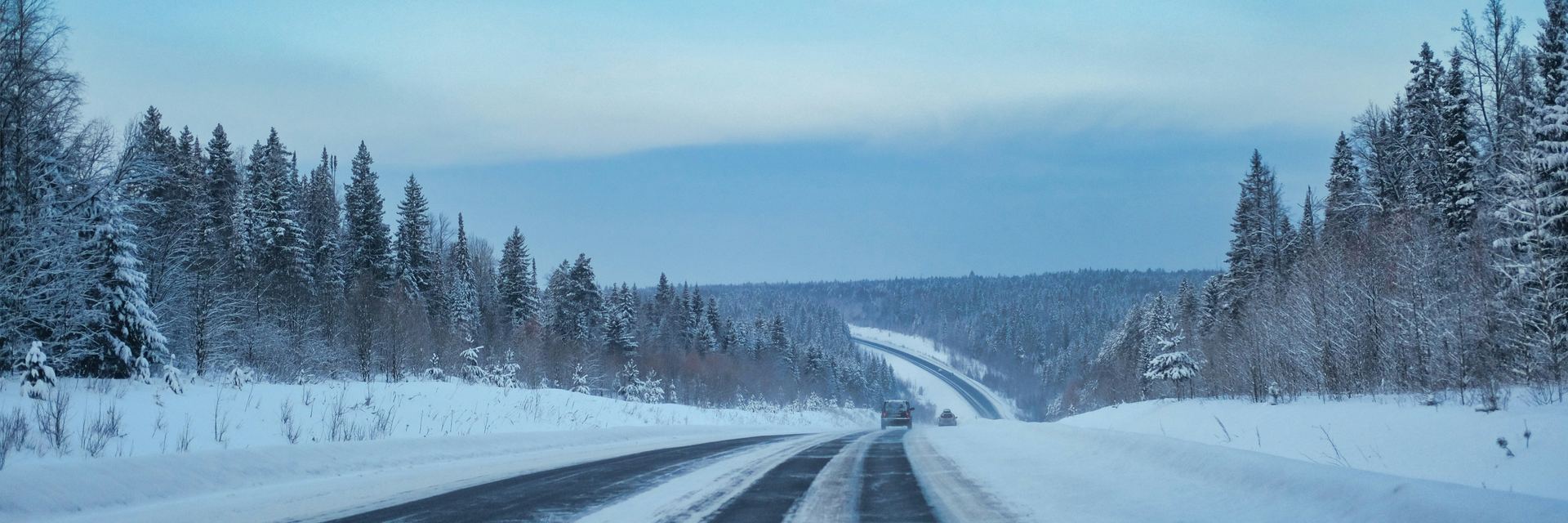
A winter storm can close a road or hold traffic for a long time. An electric car can keep the cabin warm while it sits without an engine running, drawing on its battery, so arriving with a margin matters even more in snow. Seat heating and a warm steering wheel heat the people directly and draw less from the battery than warming the whole cabin.
Pack for a long wait the way any driver should in winter: blankets, warm layers, water, snacks, a phone cable and a flashlight. Stay with the car unless help tells you otherwise, and keep snow cleared from around it. Follow road closure notices rather than looking for a way around them.
- Blankets and warm layers for everyone
- Water, snacks and any medicine people need
- A phone cable and a flashlight
- A snow brush and an ice scraper
The night stop in cold weather
In winter, a hotel or host with a charger is worth extra effort. Plug in overnight and choose a departure time in the car's settings; the battery and cabin then warm on the hotel's power, and you start the day warm and full. A garage, if the property has one, spares the car the harshest of the overnight cold.
If there is no charger, park out of the wind and charge at a nearby station in the evening, while the battery is still warm from driving. Clear ice and snow from the car before you leave, including the cameras and sensors that driver assistance relies on, since snow can block them.
What to take away
- Plan stops closer together and arrive with a wider margin
- Set the charger as the destination so the battery warms
- Thaw a frozen port with warmth, never with force
- Pack for a long wait: blankets, water, snacks and a light
Before you set off
- Stops planned closer together than in summer
- Charger set as the destination in navigation
- Plugged in before the meal, not after
- Snow brush, scraper and gloves in the car
- Blankets, water and snacks packed
- Departure time set for each cold morning
- Cameras and sensors cleared before driving
Questions
There is no engine running and no exhaust, so you can keep the cabin warm while the car sits, drawing on its battery. Keep a margin of charge for that reason, use seat heaters to stretch it and follow any instructions from road crews or emergency services.
A cold battery accepts charge slowly until it warms. Driving for a while first helps, and so does choosing the charger as your destination if the car can heat the pack ahead of time. The article on charging speed explains this in more detail.